
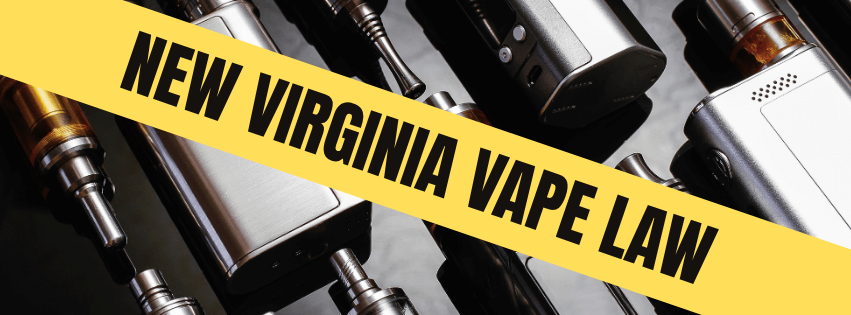
Virginia Cracks Down on Underage Vape Sales With New Enforcement Bill
Kasey Fox
Virginia lawmakers are taking another major step toward tightening vape regulations with the advancement of the Vape Enforcement Act, a bill designed to prevent nicotine products (disposable vapes and nicotine pouches) from reaching minors.
The legislation is now expected to reach Governor Abigail Spanberger for final approval after successfully passing through the Virginia General Assembly. At the center of the proposal is a statewide licensing system for vape retailers combined with random inspections and undercover compliance checks aimed at stopping illegal sales to underage customers.
Supporters say the bill is focused on enforcement rather than simply education, arguing that schools and parents need stronger tools to address rising youth vaping concerns.
Attorney General Pushes for Stronger Enforcement
Virginia Attorney General Jay Jones has become one of the leading voices supporting the legislation.
According to Jones, the state currently has only a small number of officially registered vape retailers despite widespread vape availability across communities. Officials believe many businesses selling nicotine products are operating outside existing oversight systems, creating challenges for enforcement and compliance monitoring.
Jones said schools already spend significant time educating students about nicotine risks, but argued that education alone cannot solve the issue.
“We need more than pamphlets — we need enforcement,” Jones stated while discussing the proposal during a press conference.
The law would allow authorities to conduct random inspections of vape retailers to ensure stores are properly verifying customer ages before completing sales. Businesses caught violating the law could face financial penalties or even lose their license after repeated offenses.

Parents Support Tougher Oversight
Many Virginia parents say they welcome the legislation as concerns over teen vaping continue increasing. One major issue parents continue raising is how discreet vape products have become compared to traditional cigarettes.
Because many devices produce minimal odor and compact vapor clouds, students are often able to use them without drawing immediate attention inside schools. Parents interviewed following news of the legislation said the lack of smell and the ease of concealment make vaping particularly difficult for families and teachers to monitor.
Supporters of the bill believe stricter enforcement at the retail level could reduce access before products make their way onto school campuses.
Virginia Already Maintains Strict Vape Regulations
The proposed Vape Enforcement Act adds to what is already one of the stricter vape regulatory environments in the country.
Virginia currently requires vape products sold within the state to appear on an approved product directory overseen by the Attorney General’s office. Retailers caught selling unauthorized nicotine products can face fines reaching $1,000 per product per day.
The state also follows federal flavor restrictions that prohibit flavored closed-system vape products outside of tobacco and menthol options. Additional regulations require child-resistant packaging for all e-liquid products sold within Virginia.
Mail-order and online vape sales directly to consumers are also banned, limiting alternative purchasing methods that could potentially bypass in-person age verification.
Schools and Public Spaces Remain Key Focus Areas
Virginia law already prohibits vaping or possessing nicotine vapor products on school property, school buses, and during school-sponsored activities. The legal purchasing age for vape products also remains set at 21 years old, except for active-duty military personnel aged 18 or older.
The state has also introduced restrictions involving public transit systems, including bans on vaping aboard Virginia Railway Express trains and near certain station platforms. While Virginia’s Clean Indoor Air Act does not fully prohibit vaping in all areas where smoking is banned, many local governments and parks maintain additional restrictions.
Supporters argue the new enforcement bill strengthens the overall system by targeting the supply chain rather than relying solely on school discipline policies.

Retailers Could Face Greater Pressure
If enacted, the legislation would increase pressure on vape retailers to fully comply with state regulations. Businesses would need active permits from the Virginia Alcoholic Beverage Control Authority while also remaining subject to surprise inspections and undercover operations.
Supporters argue responsible retailers should have little trouble adapting because businesses already following the law would simply continue standard age verification procedures.
However, some critics may argue the growing regulatory burden could create additional challenges for smaller independent vape shops operating in an already heavily regulated market.
Part of a Larger National Movement
Virginia’s latest legislation mirrors a broader national trend as states increasingly focus on youth vaping prevention and tighter nicotine product oversight.
Across the country, lawmakers have introduced stricter product directories, flavor bans, online sales restrictions, and enforcement programs aimed at reducing underage nicotine use. Supporters say these policies are necessary to protect public health and prevent teenagers from developing nicotine addiction at younger ages.
Critics continue warning that aggressive regulations may drive consumers toward unregulated sellers or illegal markets. Still, Virginia lawmakers appear committed to expanding enforcement efforts as concerns surrounding youth vaping continue growing nationwide.
If signed by Governor Abigail Spanberger, the Vape Enforcement Act would represent one of Virginia’s most significant anti-underage vaping measures in recent years.


